The Art of the Corporate Incentive Trip: How to Design Experiences That Retain Your Best People
There is a moment — somewhere between the seaplane landing on a private Maldivian atoll and the first sip of something cold in an overwater villa — when your top performers stop thinking about their next job offer. The competitor's recruiter, the slightly better compensation package, the nagging question of whether they're valued enough: it all recedes, temporarily replaced by the unambiguous message that your company sent them here.
That is what a great corporate incentive trip does. Not the generic all-inclusive in Cancún that everyone can tell cost $180 a night. Not the Scottsdale resort with the conference room that still smells like the last group's catering. The real thing: an experience so carefully curated, so genuinely extraordinary, that it becomes a story your best people tell for years.
The difference between a trip that earns that kind of loyalty and one that quietly insults the recipients is almost never budget. It's intention.
What an Incentive Trip Actually Is — and What It Isn't
Corporate incentive travel occupies a distinct category, one that's frequently confused with team retreats or executive offsites — to its detriment.
A retreat is a working event. People arrive with agendas, leave with action items. The venue serves the meeting.
An incentive trip is a reward. It has no agenda beyond excellence. The attendees earned it, which means they arrive expecting to be impressed — and they will notice, acutely, if they aren't.
This distinction matters enormously in how you plan. The retreat rewards the company. The incentive trip rewards the individual. Every decision — destination, hotel category, activities, recognition moments — must be made through that lens.
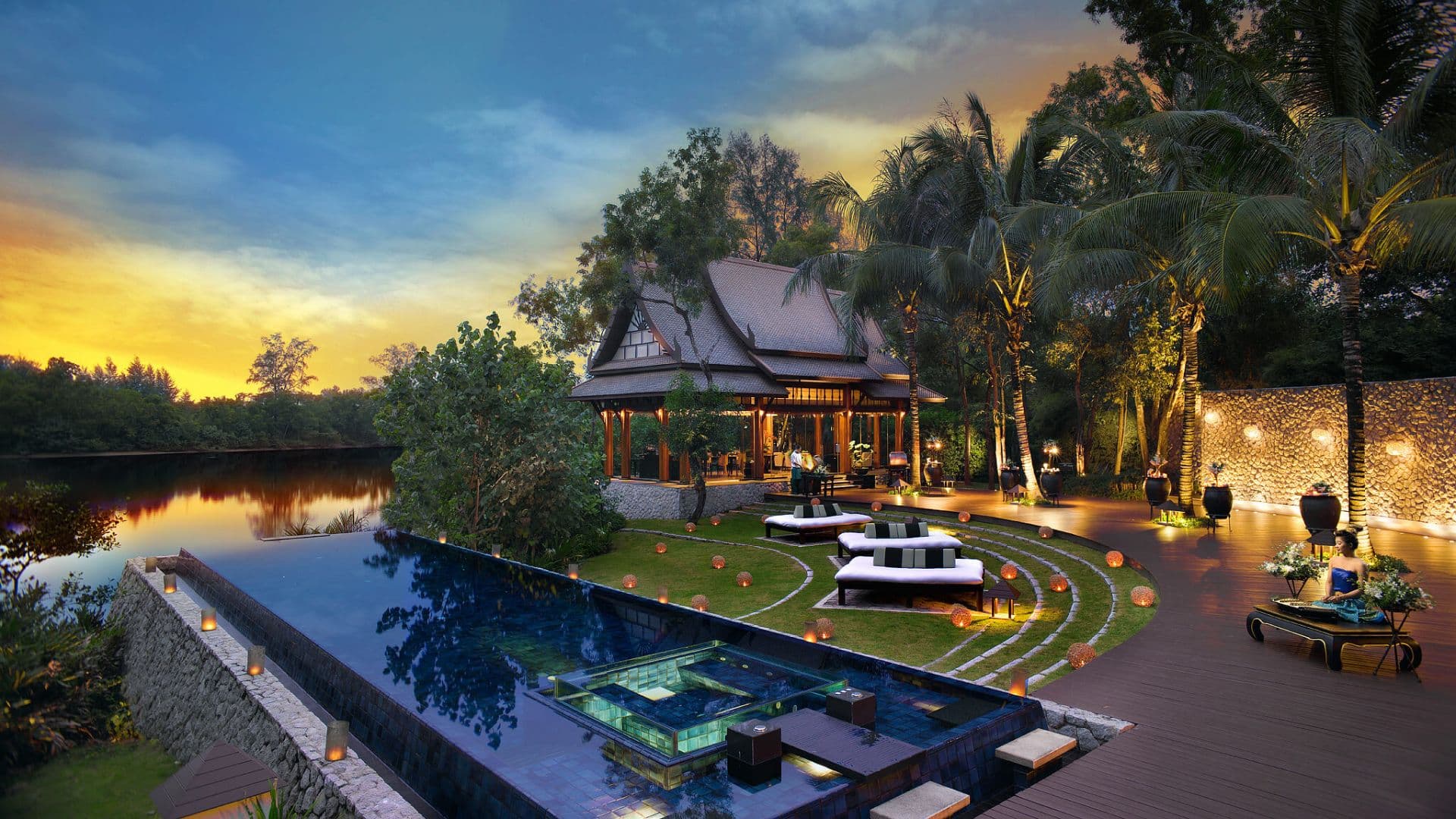
The best incentive programs share a handful of qualities. They go somewhere genuinely aspirational, somewhere the recipients wouldn't easily go on their own. They stay at properties that create a sense of exclusivity, not merely luxury. They design experiences that feel private and personal, not group-tour efficient.
Why Most Incentive Programs Underdeliver
The failure mode for corporate incentive travel is depressingly consistent: a mid-tier all-inclusive resort chosen primarily for its group pricing and ease of planning, a welcome cocktail reception that feels like a hotel bar opening, a group excursion on a bus with 60 other people.
Your top performers know the difference between an experience designed for them and one designed for a budget line item. They've often traveled personally to places that outclass the property you've chosen. And they remember — with more precision than you'd hope.
The other failure mode is the participation trophy problem: when too many people qualify for the incentive, it loses its aspirational quality entirely. The best programs are genuinely selective, and the destinations and properties reflect that selectivity.
Destination Selection: Where You Go Says Everything
The Amalfi Coast & Sicily, Italy
Few places on earth communicate effortless elegance quite like the Italian coast. Private villas perched above the Tyrrhenian Sea. Aperitivo on a terrace carved into cliffside. A private chef's dinner sourced entirely from the morning's market.
For incentive groups seeking something beyond the Amalfi postcard, Sicily offers a compelling alternative. Villa Igiea — a Rocco Forte property overlooking the Bay of Palermo — delivers Art Nouveau grandeur, private sea access, and the intimate scale that makes groups of 30 to 50 feel genuinely exclusive.
The Maldives
The Maldives remains the apex of aspirational incentive travel for one simple reason: it is genuinely difficult to replicate privately. Overwater bungalows above turquoise water, private house reefs, bioluminescent nights — these are experiences that require the infrastructure of a luxury resort to deliver at scale. Properties like Banyan Tree Vabbinfaru and Soneva Fushi consistently rank among the world's most transformative group experiences.
Japan
For groups seeking cultural depth alongside luxury, Japan is having its inevitable moment. Kyoto's finest ryokans — traditional inns with private onsen, kaiseki dinners that unfold over hours, and temple gardens designed for contemplation — offer a sensory experience that Western resort luxury simply cannot replicate.
Costa Rica
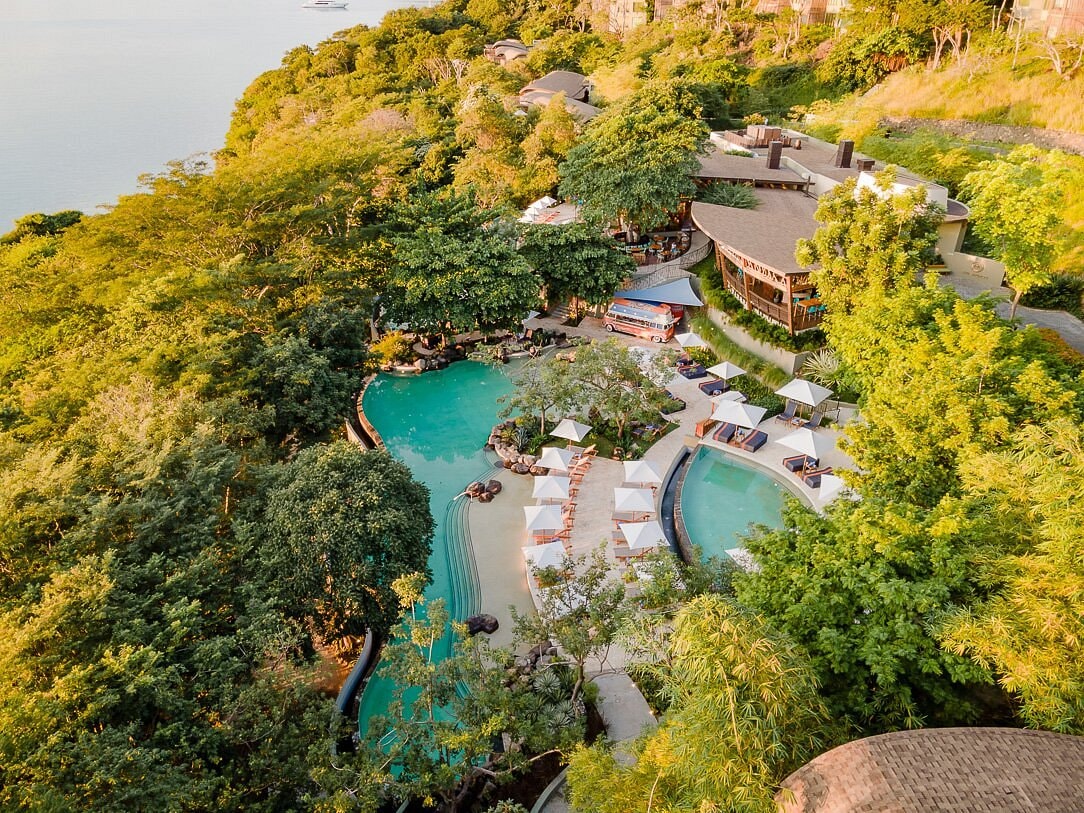
For companies whose culture prizes adventure and environmental authenticity, Costa Rica offers a compelling counterpoint to pure resort luxury. The Andaz Costa Rica Resort at Peninsula Papagayo sits on a private peninsula above the Pacific, with direct access to multiple beaches, a marine wildlife sanctuary, and the kind of ecological credibility that resonates with the modern high performer.
Riviera Maya, Mexico
When a larger qualifying group — 100 or more — needs a destination that is both genuinely aspirational and logistically manageable, the Riviera Maya consistently delivers. The critical variable here is property selection. The corridor between Cancún and Tulum spans the full range from mediocre all-inclusive to world-class resort, and the difference is not obvious from a website.
The Program: Experience Architecture for Incentive Travel
Private access is the differentiator. The thing that separates a great incentive trip from what your attendees could plan themselves is access — a private sunset charter on the Amalfi, an after-hours tour of a palazzo not open to the public, a cooking lesson with a chef whose restaurant has a six-month wait.
Recognition moments require subtlety. Nothing deflates an incentive trip faster than a formal awards ceremony that feels like a quarterly business review relocated to a nicer setting. The best programs integrate recognition into the experience itself: a personalized welcome letter from leadership waiting in the room, a thoughtful amenity chosen with genuine knowledge of the recipient.
The balance of structure and freedom. Your attendees earned this trip. They should have genuine unstructured time to use it as they wish. The temptation to fill every hour with programming is understandable — it feels like you're delivering value — but the opposite is usually true. The best incentive programs plan for approximately 60% structured programming and leave the rest to the individual.
The Venue Is the Message
In incentive travel more than any other event category, the property is the statement. It is the physical embodiment of your company's message to these individuals.
The properties that deliver consistently are those that understand group luxury — not merely transient luxury. They assign dedicated event contacts who know the group's preferences before arrival. They have the spatial design to accommodate private group moments without making other guests feel intruded upon.
This is precisely where working with a dedicated venue sourcing partner changes the outcome. My Venue Pilot maintains active relationships with luxury properties worldwide — not as a booking agent, but as a trusted intermediary who has placed groups at these properties before, understands their individual strengths and limitations, and can negotiate the concessions that transform a good trip into an exceptional one.
Getting the Investment Right
Incentive travel is a retention strategy, not an expense — and the calculation is more compelling than most HR budgets reflect.
The cost of replacing a top performer — recruiting fees, onboarding, ramp time, lost productivity during transition — typically ranges from 50% to 200% of annual salary. A well-executed incentive trip that earns another two years of engagement from five high performers is almost always a compelling return.
This framing should inform your budget. The question is not "how little can we spend on this trip?" but rather "what is the minimum investment required to send the message we want to send?" For most programs, that number is meaningfully higher than the initial instinct suggests — and meaningfully lower than the cost of the turnover it prevents.
Ready to Design Something Extraordinary?
The logistics of incentive travel — destination selection, RFP management, hotel negotiation, experience curation, contract review — are complex enough to consume weeks of internal bandwidth when managed in-house, and the risk of a misstep is higher than with any other event type, because the audience for an incentive trip is your highest-performing, highest-expectation people.
My Venue Pilot handles this work on your behalf, bringing preferred-partner access, negotiated rates, and firsthand property knowledge to every program we source. If you're planning an incentive trip for 2026 or beginning to think about 2027, the best time to start is now.